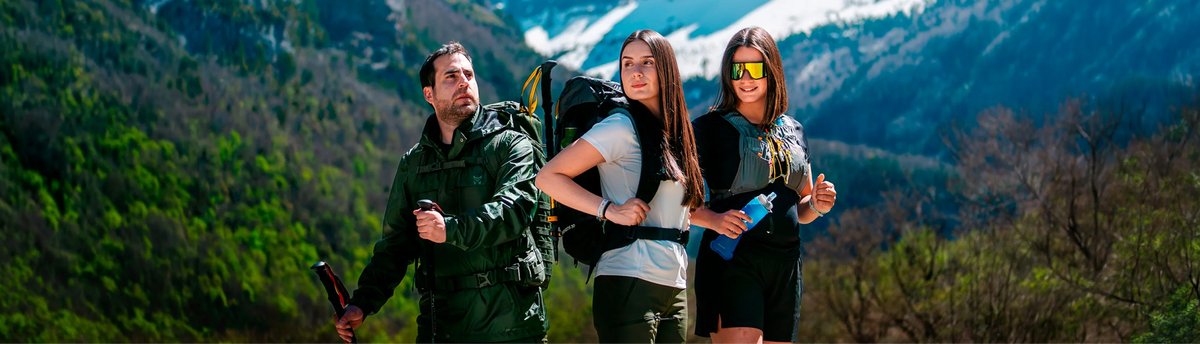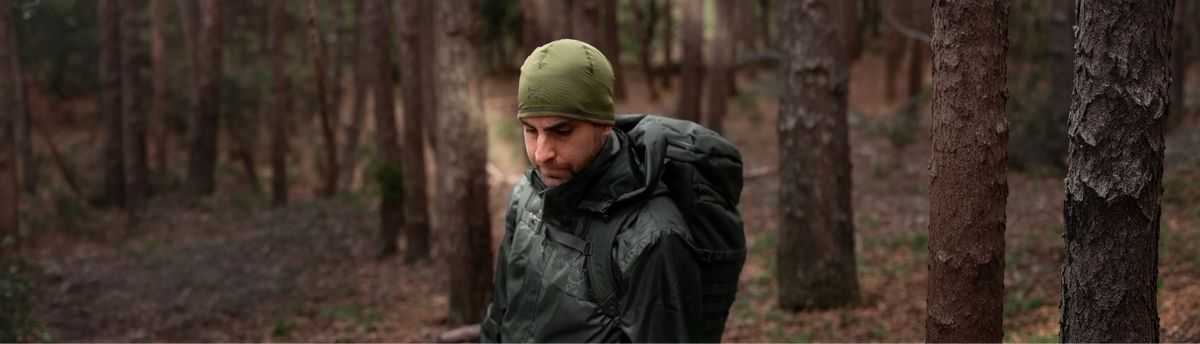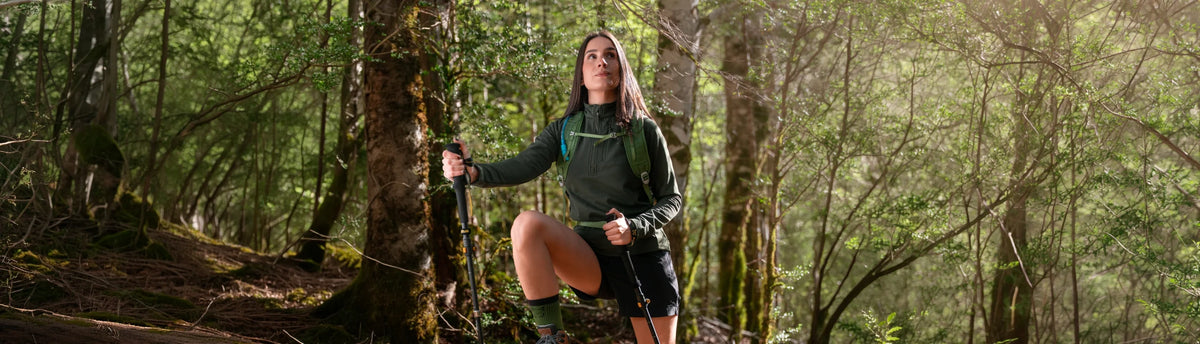


Are you eager to head to the mountains but have no idea what to wear? Don't worry, we've all been there. There's nothing worse than being up there, shivering with cold and thinking: what a disaster, I should have brought a different jacket. The wind cuts right through you, your hands are freezing, and every second feels like an eternity. You try to enjoy yourself, but deep down you're only thinking about how good it would feel to be at home with a hot chocolate, your favorite movie, and a blanket. But don't worry, we're going to lend you a hand so that doesn't happen. We'll tell you, without any boring technical jargon, how to choose the best option so you can focus solely on enjoying yourself. Because yes, there is a perfect jacket for you, and after reading this, you'll know exactly which one it is.
• Softshell jackets: They are flexible, breathable, and offer intermediate protection against wind and moisture. They are ideal for outdoor sports activities, ensuring good breathability without sacrificing protection against adverse weather.
• Membrane or hardshell jackets (3 layers): Designed to offer the maximum protection against rain and wind, thanks to their waterproof and breathable fabric.
• Insulated jackets (down and fiber): Designed to offer the best thermal insulation. Down jackets stand out for their weight-to-warmth ratio, while fiber jackets offer a better price-to-warmth ratio.
Softshell jacket: what is it recommended for?
Softshell jackets are designed for those who practice outdoor activities in moderate weather conditions. These jackets offer a good combination of flexibility, breathability, and wind protection. They are perfect for those looking for a versatile garment that moves well with the body.
The most recommended activities for a softshell jacket include:
• Hiking and trekking in mild climates, where rain is not a constant concern.
• Climbing or ski touring, where you need a garment that allows freedom of movement while maintaining good breathability and adequate protection against water and wind.
• Cool and windy days without heavy rain, when additional protection against the wind is more important than waterproofing.
Main features of softshell jackets
An excellent example of a softshell jacket is our Decan J30 and Decan W J30 model. This garment stands out for its features:
• Ergonomic and flexible cut, making it easier to move during demanding activities.
• High breathability to wick away sweat and keep you dry during physical activity.
• Wind resistance and water repellency, ideal for dry and cool climates, although it can protect against light rain in unexpected situations.
• Warm and comfortable fabric, suitable for maintaining a stable body temperature in moderate conditions.
Advantages and disadvantages of softshell jackets
Advantages:
• Lightness and comfort
• Good breathability
• Wind resistance and water repellency.
Disadvantages:
• They are not completely waterproof, which can be a drawback in heavy rain.
• They do not offer enough thermal insulation in extreme cold conditions.
When to wear a softshell jacket?
A softshell jacket is perfect for low-intensity sports activities such as walking, skiing, or cycling routes in cool and dry climates. Its lightweight design allows great freedom of movement, ideal for those looking for comfort and flexibility. In addition, it can be used as an outer layer in moderate conditions or as a mid-layer under a hardshell jacket in more extreme weather conditions such as rain and snow.
What is a membrane jacket and how does it differ?
Membrane jackets, also known as hardshell or three-layer jackets, are designed to offer total protection in extreme weather conditions of rain and snow. Thanks to their waterproof and breathable fabric, they are the perfect choice for the most challenging conditions in the mountains.
At Altus, we can recommend two models that adapt to different needs and the features that this type of jacket should offer. The Leone and Leone W jacket is an ideal option for extreme water and snow conditions, as it features a robust fabric and high resistance that guarantee the best protection. We recommend that in low-temperature conditions it be the top layer and be accompanied by a mid-layer, such as an insulated jacket, to be sufficiently protected from the cold.
On the other hand, the Baikal J30 and Baikal W J30 model from Altus is a lighter and more versatile alternative, perfect for those who practice trekking and mountaineering in varied environments, providing a balance between protection, comfort, and freedom of movement. Just like the Leone model, it is recommended that it be accompanied by a mid-layer, such as an insulated jacket, when used in low temperatures so as not to get cold during the activity.
Key properties of 3-layer jackets
Hardshell jackets are designed with three layers, each with a key role in their performance. The outer layer features a repellent treatment that makes water bead off the surface (this treatment is temporary, and disappears with use and friction against other surfaces), in addition to providing abrasion resistance and defining the garment's look. The second layer is a membrane that guarantees waterproofing, breathability, and wind protection. Finally, the inner layer, in contact with the skin, provides comfort for a more pleasant experience.
Advantages and disadvantages of hardshell jackets
Advantages:
• Waterproof, ensuring protection in rainy and snowy conditions.
• They are the best option as an outer layer for cold, snowy, and stormy climates, if accompanied by a mid-layer such as an insulated jacket.
Disadvantages:
• Less breathable than softshell jackets, which can cause discomfort during high-intensity activities.
• They tend to be stiffer and heavier than other types of jackets, which can limit flexibility and comfort.
When to wear a hardshell jacket?
Hardshell jackets are the best option for facing extreme conditions in the high mountains, when mountaineering or skiing, providing essential protection against wind, rain, and snow. They are perfect for prolonged activities in wet environments, where waterproofing is key. When the weather becomes unpredictable and challenging, their resistance and durability ensure the best defense against the elements. In cold climates, we recommend wearing them as an outer layer so you can wear an insulated jacket underneath that keeps you warm.
What is an insulated jacket and when should you wear it?
Insulated jackets are specifically designed to provide thermal insulation and retain body heat in cold environments. Within this category, there are two main types: down jackets and fiber jackets. Each of them has particular features that make it more suitable depending on the climate and the needs of each activity. Among the down models, we highlight Denali , and among those made of fiber, we highlight our Elbrus jacket.
Below, we explain how they differ and what their main advantages are.
Essential features of down and fiber jackets
• Down: They offer a great warmth-to-weight ratio, in addition to being highly compressible.
• Fiber: They have an excellent price-to-warmth ratio.
Difference between natural and synthetic down
• Natural down: It offers a better insulation-to-weight ratio.
• Synthetic down (or fiber): It has a better insulation-to-price ratio.
Comparison: Which jacket to choose according to the activity and the weather?

Remember: Waterproofing is measured in millimeters of water column (mm) and determines the fabric's resistance to water:
• Low (0 - 5,000 mm): Minimal protection, water passes through quickly.
• Medium (5,000 - 10,000 mm): Resists light rain, but not prolonged rain.
• High (+10,000 mm): Optimal protection against heavy and prolonged rain.
Tip: Water repellency vs. Waterproofing
Waterproofing prevents water from passing through the fabric; the higher the waterproofing, the greater the likelihood that water will not pass through the fabric, while water repellency is a treatment that makes water bead off the surface, although it wears out with use and friction between the material and other surfaces.
Conclusion: Which jacket should I choose?
Each jacket has a mission for which it was designed, and the choice depends on the activity you do and the weather conditions you face.
Softshell, hardshell, and down or fiber jackets offer different levels of protection, breathability, and thermal insulation. It is essential to choose the right one according to your needs: whether for trekking in mild climates, mountaineering in the snow, or walking in the rain.
Remember that the key is to balance the needs for protection, breathability, and thermal insulation to get the most out of your outdoor activities. Make your choice according to what you need most and get ready to conquer any terrain!